
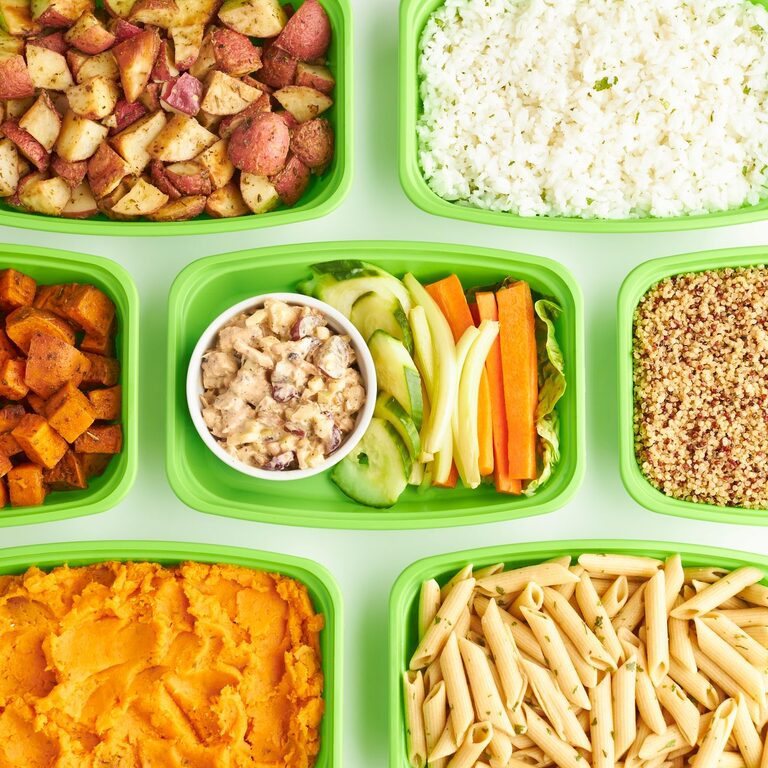
Planning meals for an entire week can seem like a large task, especially when every day brings different schedules, preferences, and energy levels. The good news is that a useful meal plan does not need to be perfect or complicated. A few simple routines can help you prepare balanced meals, shop with purpose, and spend less time deciding what to eat.
The goal is to create a flexible plan that gives you direction without making every meal feel fixed. Here is how to build one with less effort.
Start With a Simple Weekly Framework
Before choosing recipes, look at the week ahead. Consider your work schedule, appointments, social plans, and days when you will have less time to cook.
You do not need to plan every meal in detail. Instead, divide the week into a few practical categories:
– Quick meals for busy evenings
– One or two meals that take more time
– Leftover nights
– Flexible meals made from available ingredients
– Easy breakfast and lunch options
For example, you might plan three cooked dinners, one leftover night, one simple meal, and two flexible meals. This approach gives you structure while leaving room for changes.
It can also help to plan only five or six days at a time. Keeping one day open allows you to use extra food, try something new, or handle an unexpected change in plans.
Use a Balanced Meal Formula
A simple formula can make meal planning easier. For many meals, aim to include:
– A source of protein
– Vegetables or fruit
– A grain, starchy food, or other carbohydrate
– A flavorful ingredient, such as a sauce, seasoning, or topping
This formula works with many cooking styles and food preferences. A meal could include roasted chicken, rice, and vegetables, or beans with tortillas, lettuce, tomatoes, and salsa. Pasta can be paired with vegetables and a protein source, while a grain bowl can combine several ingredients in one dish.
The formula is not a strict rule. It is a quick way to check whether a meal has variety and enough substance to keep it satisfying.
Build a List of Go To Foods
To reduce decision-making, create a personal list of foods your household already enjoys. Organize the list by category:
– Proteins: eggs, beans, lentils, chicken, fish, tofu, yogurt
– Grains and starches: rice, pasta, oats, potatoes, bread, tortillas
– Vegetables: carrots, spinach, broccoli, peppers, cabbage, frozen vegetables
– Fruits: apples, bananas, berries, oranges, grapes
– Flavor builders: garlic, herbs, spices, sauces, cheese, dressings
When planning, choose one or two items from each category rather than starting from scratch every week. Over time, this list becomes a useful menu library.
Plan Ingredients That Work in Multiple Meals
One of the easiest ways to save time and money is to choose ingredients that can be used more than once. For example, cooked rice can serve as a side dish, a bowl base, or a filling for a quick lunch. Roasted vegetables can go into pasta, wraps, soups, or salads.
Try selecting a few flexible ingredients each week:
– A cooked grain or starch
– A prepared protein
– Two or three vegetables
– One sauce or dressing
– A fruit for snacks or breakfast
These ingredients can be mixed into different meals without making the week feel repetitive. You can also change the flavor profile with seasonings. The same vegetables may taste different with Italian herbs, taco seasoning, curry spices, or a simple lemon and garlic combination.
Create a Short Recipe Rotation
You do not need a new recipe every night. A small rotation of reliable meals can make planning much easier. Start with 10 to 15 recipes that are simple, affordable, and well liked.
Divide them into useful groups:
– One pan meals
– Soups and stews
– Pasta dishes
– Grain bowls
– Stir fries
– Sandwiches and wraps
– Breakfast for dinner
– No cook or low cook meals
Choose two or three recipes from the list each week, then fill the remaining days with leftovers and simple combinations. Keeping familiar meals in rotation reduces shopping time and helps you cook with confidence.
You can still try new recipes occasionally, but making every meal an experiment can add unnecessary work.
Match Meals to Your Energy
A balanced plan should reflect your real schedule, not an ideal version of it. If you know you will be tired after a long day, plan a meal that requires little preparation. Save more involved recipes for days when you have extra time.
Create a few levels of meals:
Very Easy Meals
These may include sandwiches, scrambled eggs, canned soup with toast, yogurt with fruit and oats, or a prepared salad with added protein.
Moderate Meals
These could include sheet pan dinners, pasta with vegetables, tacos, rice bowls, or stir fries.
Longer Cooking Meals
These might include homemade soup, roasted dishes, casseroles, or recipes that use several preparation steps.
Having options for different energy levels makes it less likely that you will abandon the plan when the week becomes busy.
Make a Practical Grocery List
Once your meals are chosen, write your grocery list by store section rather than by recipe. This can make shopping faster and help prevent missed items.
Organize your list into categories such as:
– Produce
– Protein foods
– Grains and bakery items
– Dairy or alternatives
– Pantry items
– Frozen foods
– Snacks
Check your refrigerator, freezer, and pantry before shopping. You may already have ingredients that can be used in the coming week. This simple step helps reduce duplicate purchases and food waste.
It is also helpful to choose a mix of fresh, frozen, and shelf stable ingredients. Fresh foods provide variety, while frozen and pantry items can fill gaps when plans change.
Prepare a Few Basics Ahead
Meal preparation does not have to mean cooking every meal on one day. Instead, prepare a few building blocks that make later cooking easier.
Depending on your schedule, you might:
– Wash and cut vegetables
– Cook a batch of rice, grains, or potatoes
– Prepare a sauce or dressing
– Boil eggs
– Portion snacks
– Marinate a protein
– Freeze extra servings
Even 30 minutes of preparation can make weekday meals feel more manageable. Store prepared foods in clearly labeled containers and keep the items you plan to use first where they are easy to see.
Leave Room for Flexibility
A meal plan should guide you, not create pressure. Plans may change because of unexpected events, extra leftovers, or a change in appetite. Build flexibility into the week from the beginning.
Use a “swap list” for easy changes:
– Replace a planned protein with beans, eggs, tofu, or another available option
– Use frozen vegetables when fresh produce is unavailable
– Turn leftovers into wraps, bowls, soups, or salads
– Move meals to different days as needed
– Freeze food that will not be eaten soon
Avoid treating an unused ingredient or changed meal as a failure. Adjusting the plan is part of making it practical.
Review What Worked
At the end of the week, take a few minutes to review your plan. Ask yourself:
– Which meals were easiest to prepare?
– Which ingredients were used more than once?
– Did you buy more than you needed?
– Which meals would you make again?
– What should be changed next week?
Keep the meals and shopping habits that worked well. Remove anything that created extra effort without adding value.
Over time, your meal planning process will become faster because you will have a trusted collection of recipes, ingredients, and preparation routines. The best weekly meal plan is not the most detailed one. It is the one that helps you eat a variety of satisfying meals while fitting comfortably into your everyday life.