
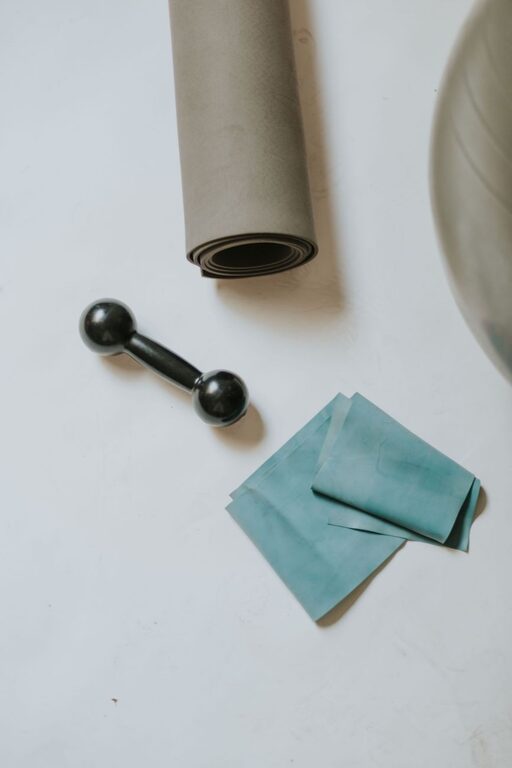
Staying active does not require a gym, expensive equipment, or a demanding workout routine. With a little creativity, your home can become a comfortable place to build movement into your day.
Low-impact activities are especially useful when you want to avoid jumping, running, or sudden movements. They can help you move more comfortably while supporting flexibility, strength, balance, and everyday energy. The key is to choose activities that feel manageable and enjoyable enough to repeat.
Start With Gentle Indoor Walking
Walking is one of the simplest ways to stay active, and it can be adapted to almost any home.
Try walking:
– From room to room
– Around a kitchen island or dining table
– In place while watching television
– Up and down a hallway
– During phone calls or listening to a podcast
To make indoor walking more interesting, create short movement intervals. Walk for five minutes, rest briefly, and repeat as often as it feels comfortable. You can also vary your pace by walking slowly for one minute, then at a slightly quicker pace for the next.
Keep pathways clear of cords, rugs, toys, and other objects that could cause you to trip. Wear comfortable shoes or use a surface that feels stable underfoot.
Try Seated Movement Breaks
Seated exercises are a convenient option for workdays, quiet mornings, or moments when standing for long periods is not appealing. Use a sturdy chair that does not roll.
Seated Marches
Sit tall with both feet on the floor. Lift one foot a few inches, lower it, and then lift the other foot. Continue at a steady pace. This gentle movement can be done for 30 seconds at a time.
Ankle and Foot Movements
Lift your toes while keeping your heels down, then reverse the movement by lifting your heels while keeping your toes down. You can also make slow circles with each ankle.
Arm Reaches
Reach both arms forward, then return them to your sides. Try reaching overhead or gently opening your arms out to the sides. Keep the movements smooth and controlled.
Seated movement breaks are easy to add throughout the day. Set a reminder to move for two or three minutes every hour, especially if you spend much of your time sitting.
Use Your Body Weight for Gentle Strength
Strength exercises do not always require weights or machines. Simple body-weight movements can help you practice everyday actions, such as standing, reaching, and lifting.
Consider adding these low-impact exercises:
– Chair stands: Sit in a sturdy chair and slowly stand, then lower yourself back down.
– Wall push-ups: Place your hands on a wall and bend your elbows to bring your chest closer, then gently push away.
– Calf raises: Hold the back of a chair and slowly lift your heels, then lower them.
– Side leg lifts: Hold a stable surface and move one leg gently out to the side before returning it.
– Standing arm curls: Bend and straighten your elbows without weights, or use light household items such as small water bottles.
Begin with a small number of repetitions and focus on steady movement rather than speed. If an exercise feels uncomfortable, stop and choose a gentler alternative.
Add Stretching to Your Routine
Stretching can be a calming way to include movement at the beginning or end of your day. It may also provide a helpful break after sitting for a long time.
Try gentle stretches for:
– The neck and shoulders
– The upper back
– The arms and wrists
– The hips
– The calves and ankles
Move slowly into each stretch and avoid bouncing. Breathe normally and hold a comfortable position for several seconds. Stretching should feel gentle, not painful.
A simple routine might include shoulder rolls, reaching both arms overhead, a gentle seated twist, and a calf stretch against a wall. You can complete the routine in five minutes or expand it when you have more time.
Dance Without the Jumps
Dancing is a fun way to move at home, even if you have limited space. Choose a few favorite songs and step from side to side, tap your feet, sway your arms, or gently move your shoulders.
To keep dancing low impact:
– Keep at least one foot on the floor.
– Avoid sudden turns if your space is limited.
– Use smaller steps.
– Hold onto a stable surface if you want extra support.
– Choose a clear area away from furniture.
You can create a short playlist for a five-minute movement break or dance through several songs for a longer activity session.
Practice Balance and Coordination
Balance activities can be included in short, simple sessions. Stand near a countertop, wall, or sturdy chair so you have something stable to hold if needed.
Try:
– Standing with your feet close together
– Shifting your weight gently from side to side
– Walking slowly heel to toe along a clear path
– Tapping one foot forward, to the side, and behind you
– Reaching for objects placed at different heights
Move at a comfortable pace and keep your support nearby. Balance practice is more useful when it is consistent, so consider adding a few minutes to your daily routine.
Turn Household Tasks Into Movement
Many everyday tasks involve light activity. Instead of trying to complete everything as quickly as possible, use household chores as opportunities to move.
You can:
– Put away laundry one item at a time
– Walk around while organizing shelves
– Wash dishes while gently shifting your weight
– Tidy one room in short intervals
– Garden in containers or care for indoor plants
– Take extra trips when carrying light items
These activities may not feel like formal exercise, but they help reduce long periods of inactivity. Combining household tasks with music or an audiobook can make them more enjoyable.
Build a Routine You Can Maintain
A successful home activity plan does not need to be complicated. Start with small goals that fit naturally into your schedule.
For example:
Morning
Complete five minutes of stretching and walk around your home while preparing for the day.
Midday
Take a short indoor walk or do seated movement during a work break.
Evening
Try gentle strength exercises, light dancing, or a few balance movements.
You can also use a simple activity menu. Write down several options, such as walking, stretching, dancing, and chair exercises. Choose one whenever you have a few free minutes.
Make Safety and Comfort a Priority
Choose a clear, well-lit space and keep frequently used support surfaces nearby. Begin slowly, especially if you have not been active recently. Drink water as needed and take breaks when you feel tired.
Pay attention to how your body feels. Stop an activity if you experience sharp pain, dizziness, or unusual discomfort. If you have questions about which activities are suitable for you, consider asking a qualified professional for personalized guidance.
The best home activity is one you feel comfortable doing regularly. Whether you walk between rooms, stretch beside your bed, dance in the kitchen, or practice gentle strength exercises with a chair, small amounts of movement can add up throughout the day. Focus on consistency, choose activities you enjoy, and make staying active a natural part of life at home.