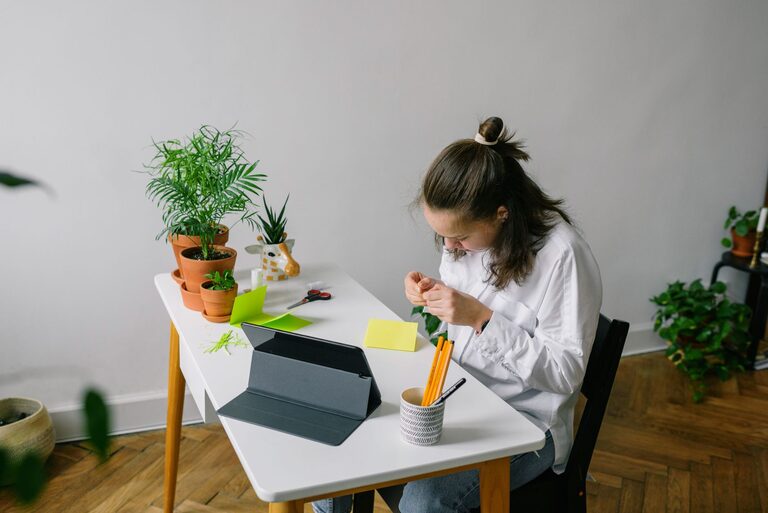
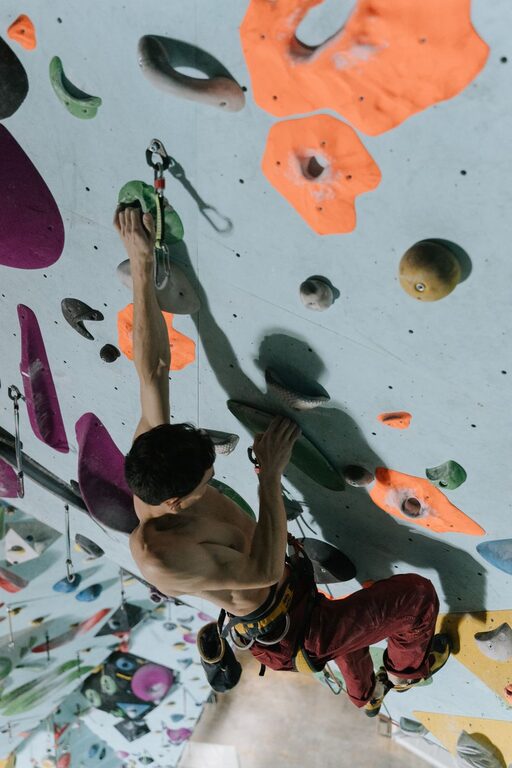
Staying active does not always mean following a strict workout plan or spending hours at the gym. Skill-based activities offer a fun way to move your body, challenge your mind, and learn something new at the same time.
These activities can improve coordination, concentration, balance, creativity, and problem-solving. They also make it easier to stay engaged because the focus is on progress and enjoyment rather than repetition. Whether you prefer indoor hobbies, outdoor adventures, creative projects, or social activities, there is something for every interest and ability level.
Why Choose Skill-Based Activities?
Skill-based activities combine learning with movement or mental effort. Instead of simply repeating the same exercise, you practice techniques, respond to challenges, and gradually improve.
They can support several areas of everyday well-being:
– Focus: Learning a new skill encourages you to pay attention to details.
– Coordination: Activities that involve movement can improve timing and control.
– Confidence: Progressing from beginner to more advanced levels creates a sense of achievement.
– Creativity: Artistic and hands-on hobbies encourage original thinking.
– Social connection: Many activities can be enjoyed with friends, family, or local groups.
– Consistency: Enjoyable hobbies are easier to maintain over time.
The best activity is one that fits your interests, schedule, and comfort level. Start with small goals, then increase the challenge as your skills grow.
Creative Activities That Challenge the Mind
Drawing and Sketching
Drawing is an accessible way to develop observation and concentration. You can begin with simple shapes, household objects, or quick sketches of outdoor scenes. As you become more comfortable, try portraits, landscapes, or illustrations.
Sketching also encourages patience. Rather than trying to create a perfect picture, focus on noticing lines, shapes, light, and texture. A few minutes of practice each day can lead to noticeable improvement.
Playing a Musical Instrument
Learning an instrument combines memory, coordination, listening, and rhythm. Beginners can start with simple songs or basic exercises on an instrument such as a keyboard, guitar, ukulele, or recorder.
Regular practice does not need to be long. Ten or fifteen focused minutes can be useful, especially when you divide practice into manageable steps. Try learning one chord, scale, rhythm, or short section at a time.
Cooking New Recipes
Cooking is both a practical skill and a creative challenge. It requires planning, timing, measuring, and adapting when ingredients or equipment are limited.
Choose recipes that introduce one new technique, such as chopping vegetables, making a sauce, or preparing homemade dough. Cooking with a friend or family member can make the experience more social and enjoyable.
Activities That Build Coordination and Movement
Dance
Dance is an excellent way to combine physical activity with memory and rhythm. You can try a class, follow a beginner video, or simply practice moving to your favorite music at home.
Different styles offer different challenges. Ballroom dance can improve footwork and partnership skills, while hip-hop may focus on rhythm and quick movements. Gentle dance styles can provide a lower-impact option while still engaging the body and mind.
Martial Arts
Beginner martial arts classes often teach balance, footwork, controlled movements, and basic techniques. They also encourage discipline and careful attention to instructions.
Look for a welcoming class that offers beginner-level sessions and clear guidance. The goal is to learn safely and build confidence gradually, not to master every technique immediately.
Juggling
Juggling may seem difficult at first, but it can be practiced in small steps. Begin with one soft object, then practice tossing it from one hand to the other. Once that feels comfortable, add another object.
This activity challenges hand-eye coordination, timing, and concentration. Use soft items and practice in an open area to make the experience more comfortable.
Outdoor Skills for a Fresh Challenge
Gardening
Gardening keeps you moving while teaching planning, patience, and care. Digging, planting, watering, and carrying supplies provide gentle physical activity, while choosing plants and organizing a garden requires thoughtful preparation.
You do not need a large yard. Herbs can grow in containers, and small pots can fit on a balcony, windowsill, or patio. Tracking plant growth can also turn gardening into a rewarding long-term project.
Hiking and Navigation
Hiking can become more engaging when you add a skill-based element. Learn to read a trail map, identify local plants, recognize natural landmarks, or plan a route.
Start with familiar, well-marked trails and choose a distance that matches your experience. Bring water, wear comfortable shoes, and check local conditions before heading out.
Photography Walks
Photography walks combine movement, creativity, and observation. Choose a theme such as patterns, reflections, interesting doors, or seasonal colors. As you walk, look for new ways to frame ordinary scenes.
You can use a smartphone or a camera. The main challenge is not expensive equipment but learning how light, angle, distance, and timing affect an image.
Social Activities That Keep You Engaged
Team Sports
Team sports provide physical activity along with communication and strategy. Options include recreational soccer, volleyball, basketball, softball, or less traditional activities such as ultimate frisbee.
If you are new to a sport, look for casual groups or beginner sessions. A friendly environment can make it easier to learn the rules, practice basic skills, and meet people with similar interests.
Board Games and Puzzles
Not every skill-based activity requires intense movement. Board games, puzzles, and strategy games can challenge memory, planning, communication, and problem-solving.
Choose games that match your preferred level of difficulty. Cooperative games are a good option when you want to work toward a shared goal, while strategy games can provide a more competitive challenge.
Group Classes
Community centers, libraries, studios, and local organizations often offer classes in crafts, languages, cooking, dance, music, or technology. Group learning adds structure and creates opportunities to exchange ideas.
Trying a short workshop can be a helpful way to explore a new interest before making a longer commitment.
How to Make Practice More Enjoyable
Skill development takes time, but the process can be rewarding when you create realistic habits.
– Set a small, specific goal for each session.
– Practice regularly instead of waiting for a large block of free time.
– Track progress with notes, photos, or a simple checklist.
– Celebrate improvements, including small ones.
– Alternate challenging activities with easier practice.
– Invite a friend to join you when possible.
– Try different activities until you find one that feels enjoyable.
It is also helpful to focus on learning rather than perfection. Mistakes are a natural part of developing any skill. Each attempt gives you information about what to adjust next time.
Finding the Right Activity for You
Consider what you want from a new hobby. If you enjoy creative work, try drawing, photography, music, or cooking. If you prefer movement, explore dance, hiking, gardening, or a recreational sport. If you like solving problems, consider puzzles, strategy games, or navigation.
Your available space, budget, schedule, and energy level also matter. Many activities can be adapted with basic supplies and short practice sessions. Begin at a comfortable pace, pay attention to how you feel, and increase the challenge gradually.
The right skill-based activity should leave you feeling curious and motivated to continue. By choosing hobbies that engage both your mind and body, you can make learning, movement, and personal growth a natural part of everyday life.